
Categories
Featured Products
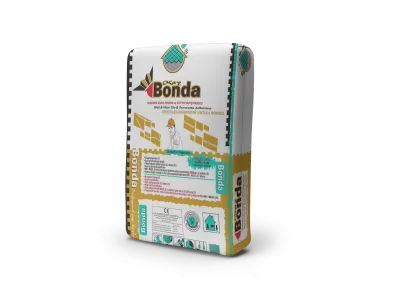
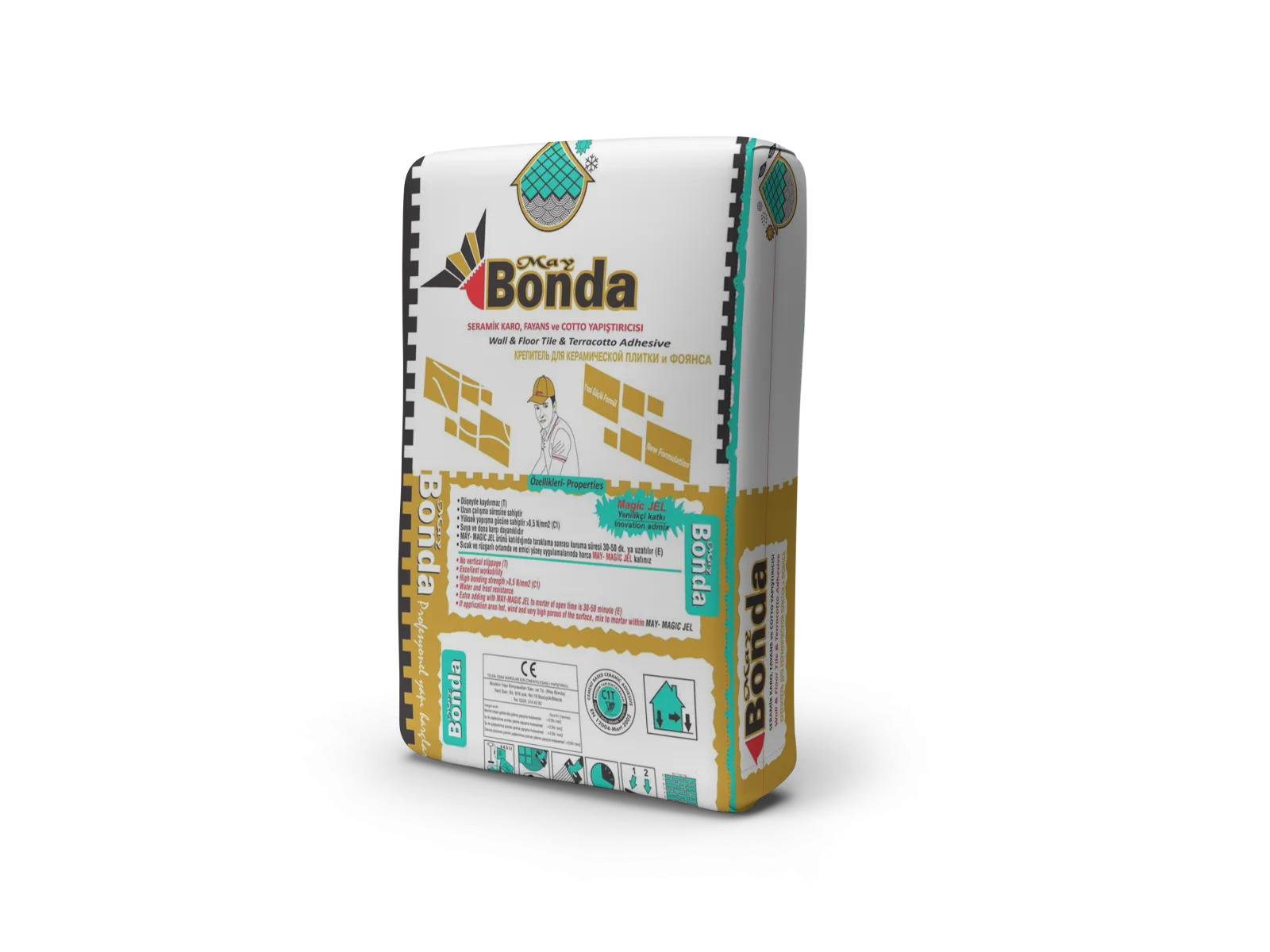
May-Bonda
Ceramic Tile, Faience, Cotto and Aerated Concrete Adhesive
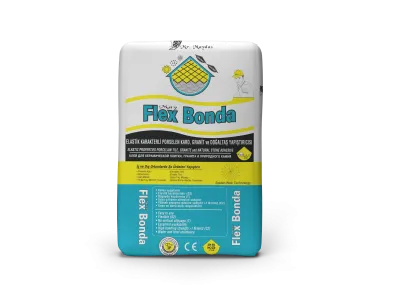
May-Flexbonda
Elastic-Natured Porcelain Tile, Granite and Natural Stone Adhesive
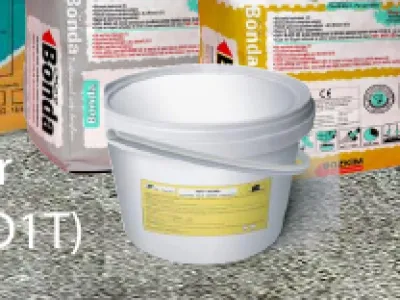
May-Remix
Ready-to-Use Ceramic Adhesive
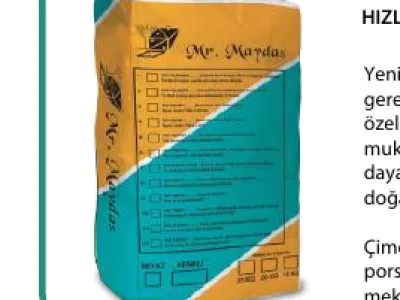
May-Rapidset
Fast-Setting Tile Adhesive
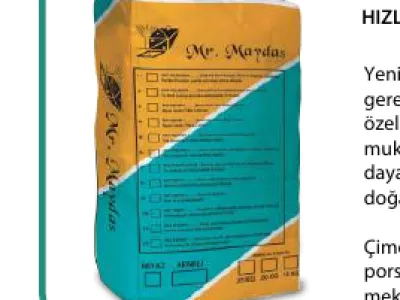
May-FlexRapid
High-Performance, Elastic Fast-Setting Tile Adhesive
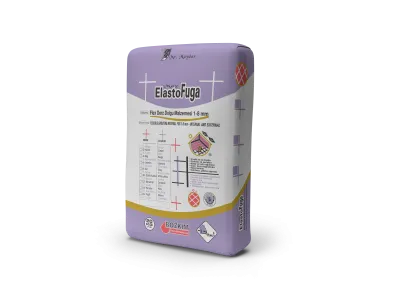
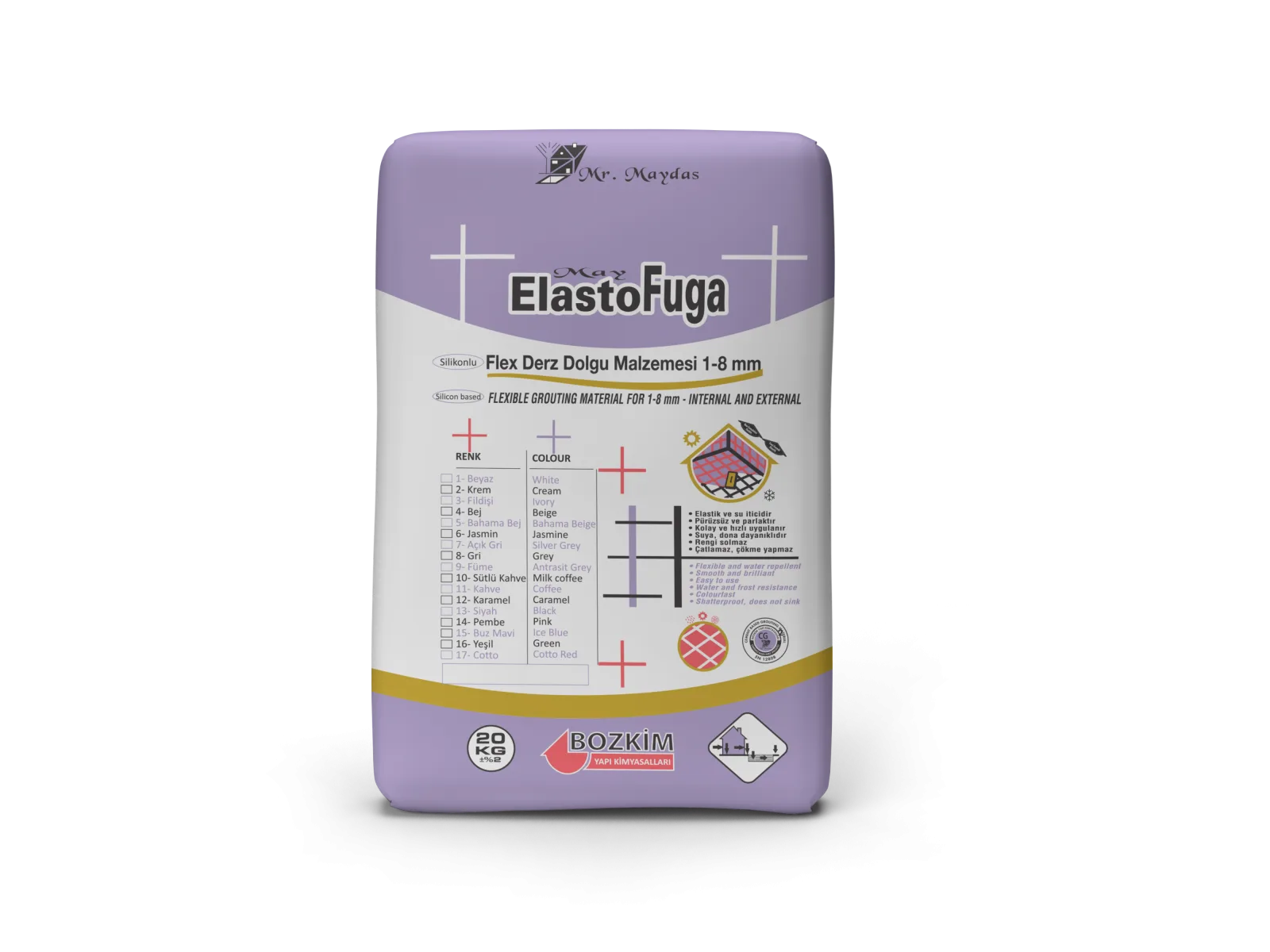
May-Elastofuga
Elastic-Natured Joint Filler 1-8 mm
May-Terrafuga
Joint Filler for Wide-Joint Brick, Cotto and Stone Claddings 4-20 mm
May-Metallica
Metallic-Reflective Epoxy Joint Filler 3-20mm
News & How-To
Frequently Asked Questions
What is the difference between C1 and C2 tile adhesives?
The C1 and C2 classes indicate the bond strength and performance of a tile adhesive. C1 denotes adhesives with standard bond strength, suitable for interior and normal conditions, while C2 denotes high bond strength adhesives developed for facades, wet areas and demanding surfaces. In the Bozkim range, May-Bonda (C1) is recommended for standard applications, and May-FlexBonda (C2, flexible) for low water-absorption coverings such as porcelain tile, granite and natural stone.
Which tile adhesive should be used on facades and wet floors?
For facades, terraces, balconies and wet areas, flexible C2 class adhesives that withstand thermal and moisture movement should be used. For porcelain tile, granite and natural stone in these areas we recommend May-FlexBonda, and for applications that must be opened to traffic quickly, the fast-setting May-FlexRapid. Applying a suitable primer beforehand improves adhesion on non-absorbent surfaces.
How long does tile adhesive take to cure and when can grouting be done?
With standard cement-based tile adhesives the surface is usually opened to traffic after 24-48 hours, and grouting can be applied after this period. The time varies with ambient temperature, humidity and tile size. For renovation and repair work that requires fast results, the fast-setting May-Rapidset, which can be opened to traffic in 6-12 hours, can be preferred.
How much adhesive is needed to lay one square metre of tile?
Tile adhesive consumption depends on the notched trowel size, the tile dimensions and the flatness of the surface. On average about 4.5-5 kg/m² of adhesive is required; this value increases with large-format tiles and back-buttering. For exact consumption, refer to the values in the product's technical datasheet.
When and how is grout applied?
Grout is applied after the tiles have been laid, usually waiting at least 24 hours for the adhesive to set sufficiently. After the joints are cleaned and dampened, the grout is worked in with a rubber float in cross movements and cleaned with a damp sponge before it skins over. May-Elastofuga is used for flexible applications with a wide colour range, and May-Terrafuga for wide joints such as brick and natural stone.
How is waterproofing done in bathrooms, terraces and wet areas?
In wet areas such as bathrooms, terraces, balconies and pools, waterproofing is done with cement-based waterproofing materials applied to the surface before tiling. The two-component, elastic May-Proofer provides waterproofing from both the positive and negative sides, while the ready-to-use May-Mixproof offers practical application. Using a waterproofing tape at corners and junctions is important for the integrity of detail sealing.
The right solution for your project
Contact us to request a quote for our products or to become one of our dealers.